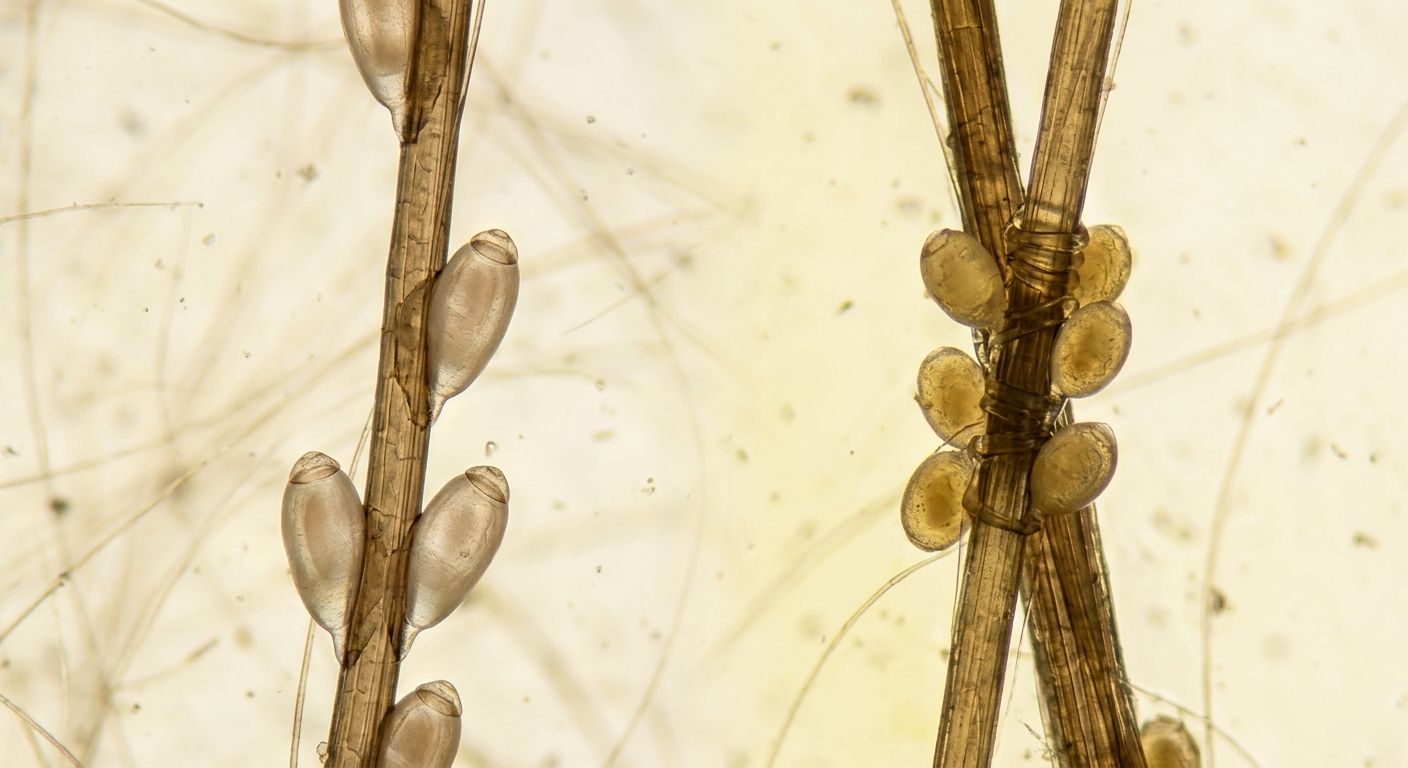
How I Almost Lost My Toe to a Jigger Flea in South America (And How to Treat It)
What Exactly Is a Jigger Flea?
The Chigoe flea is a tiny parasite—measuring barely a millimeter—native to tropical regions like Sub-Saharan Africa, Central and South America, and parts of the Caribbean.
While male jiggers just bite and leave, the pregnant female is looking for a host. She targets soft skin—usually between your toes, under your toe nails, or on the soles of your feet—and slowly burrows inside. Once embedded, she feeds on blood and swells to the size of a pea over a couple of weeks while producing hundreds of eggs.
Symptoms to Watch Out For
An embedded jigger doesn’t usually hurt right away. In fact, most people don’t notice anything for the first day or two. As time goes on, you might notice:
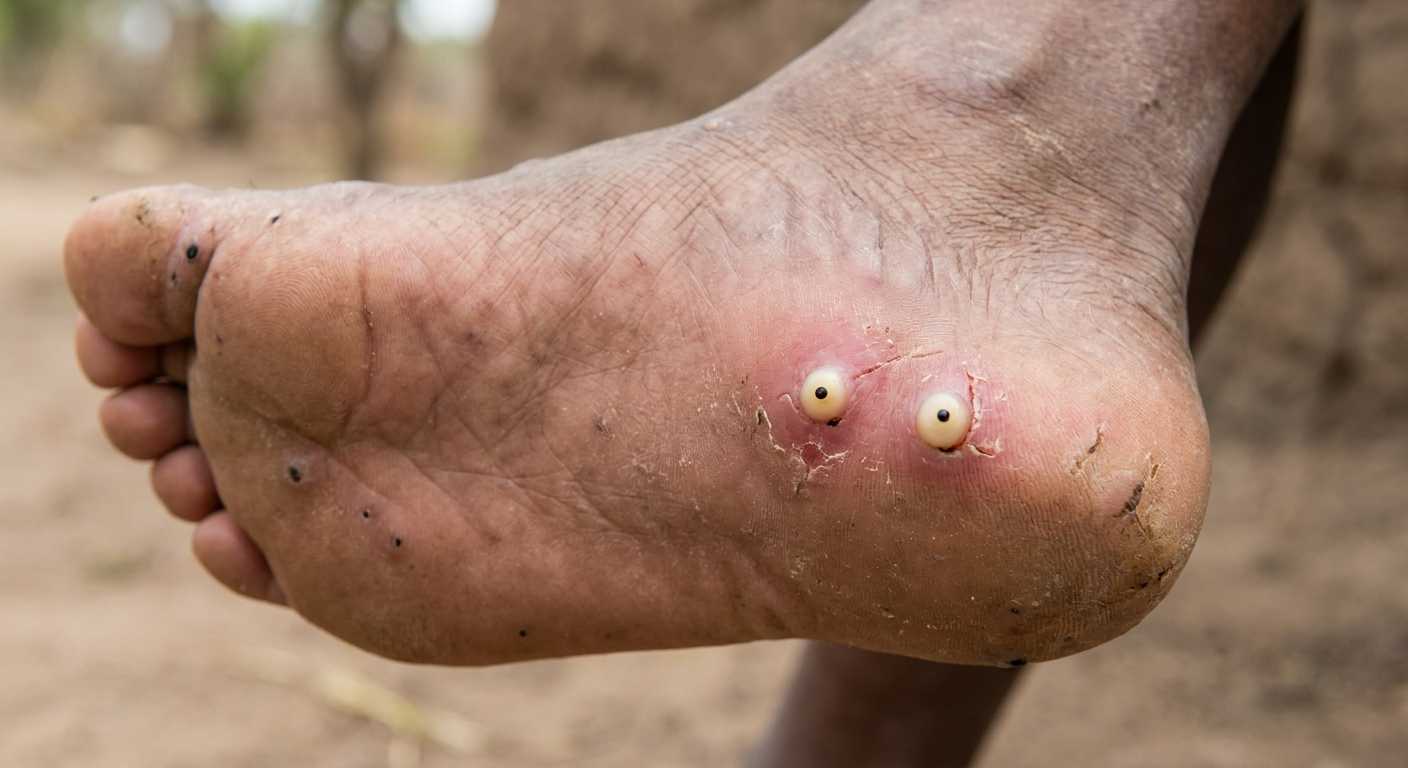
A small black dot: This is actually the hind end of the flea, which stays flush with your skin surface so she can breathe and release eggs.
A white halo or bump: As the flea swells, a raised white nodule forms around the black center.
Persistent itching and throbbing: The area will become red, inflamed, and increasingly painful to walk on.
Treatment and Safe Removal
If you suspect you have a jigger, do not try to pick or squeeze it out with unsterilized tools like needles or pin tips. Squeezing can rupture the flea, leaving parts behind under your skin, which almost always causes a nasty bacterial infection.
Seek Medical Care: A doctor or local healthcare provider can sterilize the area, extract the entire flea safely with surgical tools, and dress the wound.
Antiseptic & Dressings: After removal, the empty space must be kept clean with antiseptic solution and covered to prevent secondary infection.
Tetanus Shot: Since jiggers break the skin barrier in dirt-exposed areas, updating your tetanus vaccination is strongly recommended.
How to Prevent Jigger Bites
Preventing jiggers is thankfully much easier than dealing with an embedded one:
Wear Closed-Toe Shoes: Avoid walking barefoot or wearing flip-flops in sandy, dusty, or high-risk rural areas.
Use Bug Repellent: Apply insect repellent containing DEET or Picaridin to your feet and ankles.
Inspect Your Feet Daily: Check your soles and under your toes every evening if you’re traveling through endemic areas. Early detection makes removal simple and painless.
Dealing with skin parasites sounds intense, but with proper foot hygiene and closed-toe footwear, you can easily keep your feet safe during your travel adventures.