Blastocystis Hominis: Symptoms & Gut Treatment
Blastocystis Hominis: The Hidden Enemy Living in Your Gut
Do you often struggle with unexplained bloating, persistent indigestion, or irregular bowel movements despite eating healthy? You might be hosting an invisible parasite in your digestive tract called Blastocystis hominis.
Often dubbed the “hidden enemy of the gut,” this microscopic single-celled organism (protozoan) colonizes human intestines. While millions of people carry it without realizing, an active infection can silently disrupt your digestive system and cause chronic discomfort.
Here is everything you need to know about this silent intestinal parasite, its common symptoms, and how to protect yourself.
What Is It and Why Is It Called a “Hidden Enemy”?
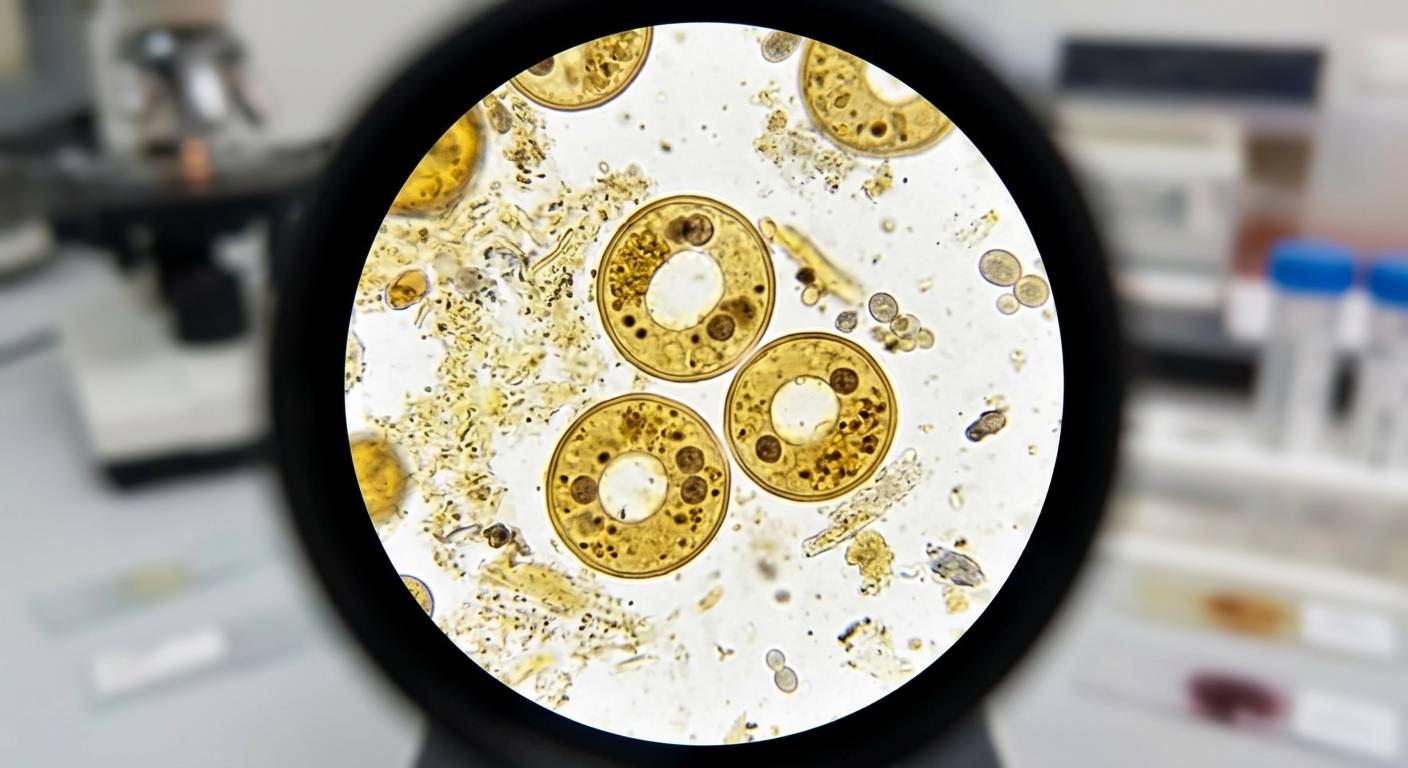
(Image Alt Text: Microscopic view of Blastocystis hominis organism in gut)
This organism gets its reputation as a covert operator in human health for three key reasons:
Asymptomatic Persistence: It can live inside your gastrointestinal tract for months or years without triggering any immediate symptoms.
Opportunistic Nature: It often remains dormant while your immune system is strong. However, when your immunity dips, your diet changes, or your gut flora gets unbalanced, this parasite can multiply rapidly and cause distress.
Mishandled Diagnosis: The symptoms closely mimic Irritable Bowel Syndrome (IBS), acid reflux, or food allergies, leading many people to treat the wrong issue while the organism remains undetected.
How Does the Infection Spread?
The organism is primarily transmitted via the fecal-oral route. Common sources of transmission include:
Contaminated Water: Drinking unfiltered, unboiled, or poorly treated tap water containing cysts.
Unwashed Produce: Consuming raw fruits or vegetables washed with contaminated water.
Poor Personal Hygiene: Unwashed hands before meal preparation or after using the bathroom.
Direct Contact: Close contact with infected individuals or domestic animals living in poor sanitary conditions.
Common Symptoms to Watch For
(Image Alt Text: Diagram of digestive system affected by Blastocystis hominis infection)
When the parasite causes active blastocystosis, patients commonly experience:
Persistent Gas and Bloating: Feeling heavy or uncomfortably full after small meals.
Chronic Diarrhea or Loose Stools: Stools that stay irregular for days or weeks.
Abdominal Cramping: Dull aches or sharp pain in the lower stomach area.
Nausea and Loss of Appetite: Difficulty digesting food smoothly.
Fatigue: Feeling constantly drained due to poor nutrient absorption in the gut.
Diagnosis and Treatment Options
Diagnosis
Detecting the organism is straightforward. A medical professional will order a Stool Routine Examination (Stool R/E) or a specialized stool PCR test to identify it under a microscope.
Treatment
Not every case requires medical intervention. If you carry the organism but have zero symptoms, doctors often recommend leaving it alone to avoid disturbing your natural gut microbiome.
However, if you suffer from severe GI symptoms:
Consult a Doctor: Never self-medicate with broad-spectrum antibiotics without testing.
Antiprotozoal Medication: Physicians typically prescribe targeted antiprotozoal medications (such as Metronidazole or Nitazoxanide) to clear the infection.
4 Easy Ways to Prevent Gut Infection
Prevention is your best defense against intestinal parasites. Follow these simple habits to keep your digestive system safe:
Drink Clean Water: Always drink boiled, bottled, or properly filtered water.
Wash Fresh Produce: Thoroughly rinse raw vegetables and fruits under clean running water.
Practice Hand Hygiene: Wash your hands thoroughly with soap for at least 20 seconds before eating and after using the restroom.
Be Cautious with Street Food: Avoid uncooked or exposed street foods prepared in unsanitary environments.
Final Thoughts
Blastocystis hominis may be a hidden intestinal parasite, but with proper hygiene and timely diagnosis, it doesn’t have to ruin your digestive health. If you suffer from long-term stomach issues that refuse to go away, consult a healthcare provider and request a routine stool check—it might just be the secret answer to your gut troubles!