
aedes mosquito prevention: Breeding & Safety Rules
Aedes Mosquito Prevention: Breeding Sites, Symptoms, and Safety Rules
The Aedes mosquito prevention strategy is one of the most vital health protocols in tropical and subtropical regions worldwide. Responsible for spreading dangerous viruses like Dengue, Zika, and Chikungunya, the Aedes mosquito (Aedes aegypti) poses a severe threat every year. Understanding where these pests breed, recognizing bite symptoms, and practicing Aedes mosquito prevention is essential for keeping your home and community safe.
What Makes the Aedes Mosquito Unique?
Unlike common house mosquitoes, the Aedes mosquito is easily identifiable by its physical features and distinct behavioral habits:
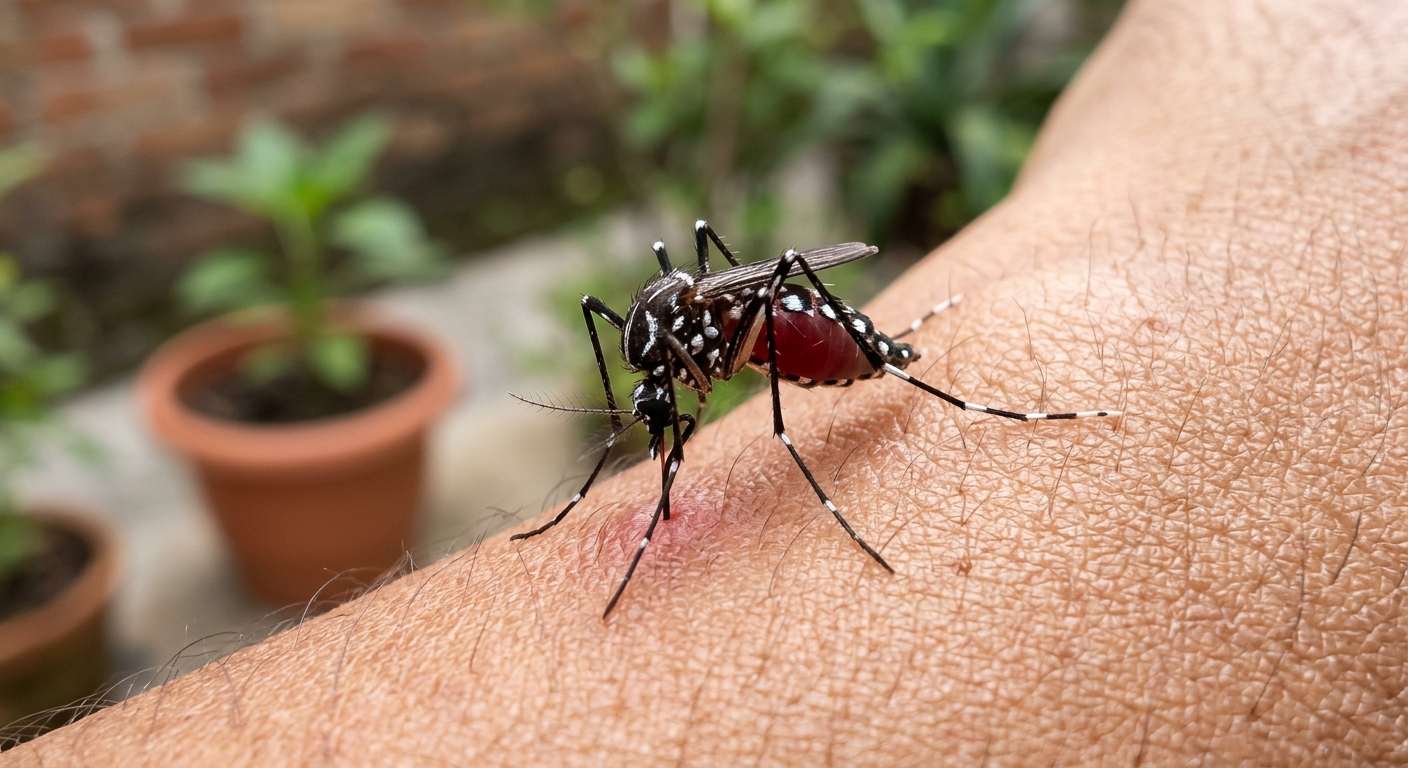
Zebra-like Markings: Prominent white stripes cover their legs and body.
Daytime Biters: Active primarily during the day—especially 2 to 3 hours after sunrise and before sunset.
Silent Strikers: They attack quietly from behind or near lower limbs, making bites hard to notice immediately.
Aedes Mosquito Prevention and Breeding Sites
Effective Aedes mosquito prevention starts with eliminating their breeding habitats. Aedes mosquitoes are container breeders that prefer clean, stagnant water in and around residential areas.
Key breeding locations include:
Uncovered Water Storage: Open drums, buckets, and water tanks.
Discarded Items: Coconut shells, plastic cups, and tin cans left outdoors.
Household Appliances: Flower vases, refrigerator drip trays, and air conditioner runoff containers.
Outdoor Spaces: Unused tires, blocked rain gutters, and tree hollows.
Important Fact: A female Aedes mosquito can lay eggs in as little as a teaspoon of standing water. Proper Aedes mosquito prevention requires inspecting these spots weekly.
What Happens When an Aedes Mosquito Bites?
A bite from an infected mosquito leads to distinct stages of health issues:
1. Mild Local Reactions
Mosquito saliva causes immediate minor responses:
Red, raised skin bumps.
Mild to intense itching and swelling.
2. Dengue Viral Transmission
If the mosquito carries the Dengue virus, symptoms typically appear within 4 to 10 days:
High Fever: Sudden spike up to 104°F (40°C).
Body Aches: Severe joint and muscle pain.
Eye Pain: Pain localized behind the eyes.
Warning Signs: Persistent vomiting, severe belly pain, or bleeding gums demand urgent medical care.
Essential Aedes Mosquito Prevention Rules
To guarantee complete safety, follow these mandatory preventative steps:
Core Prevention Protocols
3-Day Water Rule: Never allow clean water to stand for more than 3 days. Empty, scrub, and dry containers weekly.
Waste Disposal: Safely recycle or discard unused tires, plastic bottles, and shells.
Cover Tanks: Seal all water reservoirs with airtight lids or fine mesh netting.
Personal Safety Measures
Apply Insect Repellent: Use EPA-approved repellents containing DEET or Picaridin.
Wear Long Clothing: Cover exposed skin with long sleeves and pants during peak daytime biting hours.
Use Bed Nets: Always sleep under mosquito nets, even during daytime naps.
Install Window Mesh: Protect indoor living areas with mesh screens on windows and doors.
Final Thoughts
Mastering Aedes mosquito prevention is the most reliable way to protect your loved ones from vector-borne diseases. Clean surrounding water sources, practice daily protection, and stay safe!



One thought on “aedes mosquito prevention: Breeding & Safety Rules”
Comments are closed.