False Widow Spider: How Venomous and Dangerous Is It?
False Widow Spider: How Venomous Is It? Identification, Habitat & Bite Effects
Spiders are a source of endless fascination and fear for many people. Among the various species found around the world, the False Widow Spider is one of the most talked-about and feared. Because it closely resembles the highly venomous Black Widow spider, seeing one often causes immediate alarm. But are they truly a serious threat to humans? Let’s explore everything you need to know about the False Widow Spider.
What Is a False Widow Spider?
The False Widow Spider belongs to the genus Steatoda. The most well-known and widely reported species in this family is the Noble False Widow (Steatoda nobilis).
They are called “False Widows” because their body structure and dark coloration closely mimic the venomous Black Widow spider. However, unlike the Black Widow, their venom is significantly less potent and generally not dangerous to humans.
Key Features: How to Identify a False Widow Spider
You can easily identify a False Widow Spider by looking for these distinct physical characteristics:
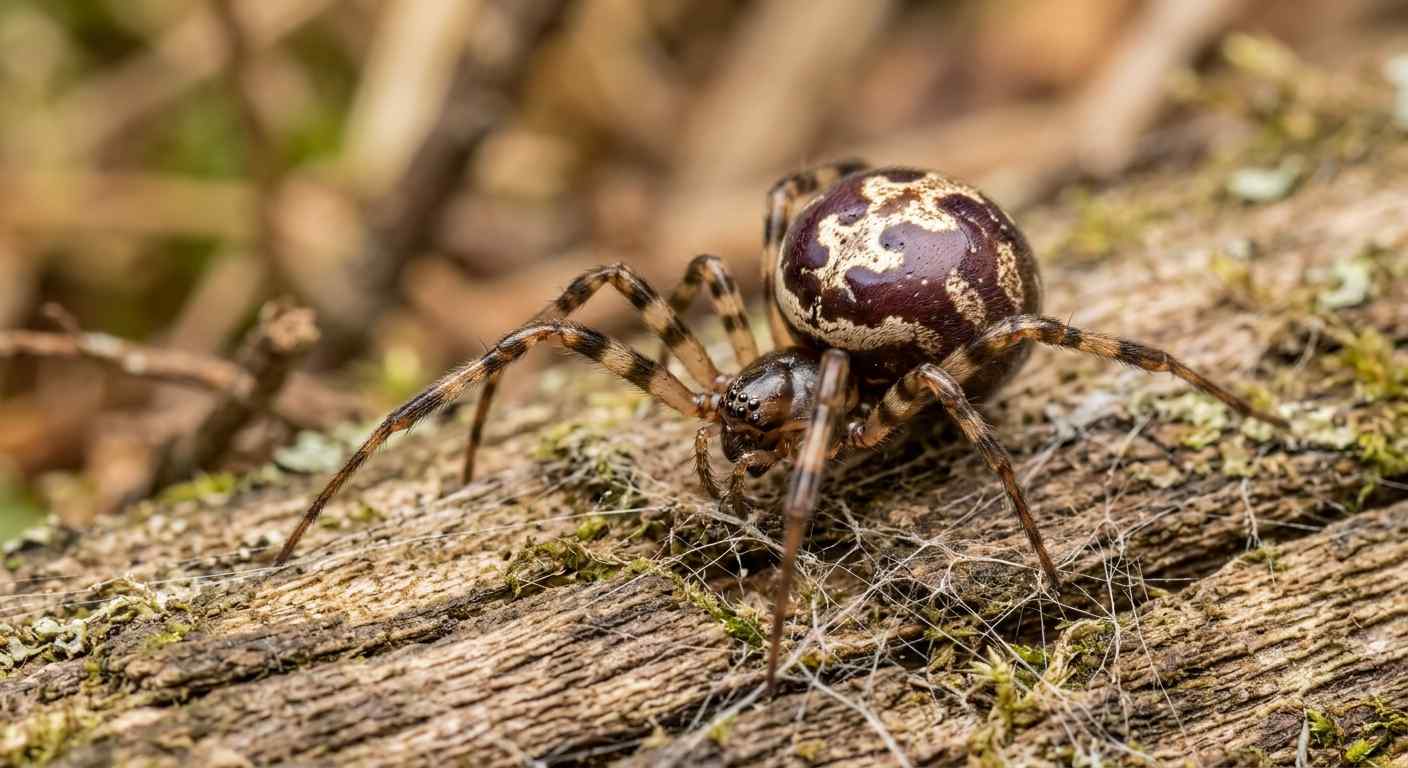
Abdomen Shape and Color: Their abdomen is round, bulbous, and has a glossy mahogany or dark brown color.
Skull-Like Markings: On the upper side of the abdomen, they feature cream or off-white patterns that often resemble a human skull or a small window frame.
Leg Pattern: Their legs are slender and usually marked with alternating light and dark brown rings or bands.
Size: Females typically measure between 8 and 14 mm in length, while males are slightly smaller at 7 to 10 mm.
Difference from the Black Widow: True Black Widow spiders have a bright red hourglass shape on the underside of their abdomen, which False Widows lack.
Where Do False Widow Spiders Live?
False Widow Spiders prefer cool, dry, and dark environments to build their web structures. Common hiding spots include:
Cracks and crevices in exterior or interior walls
Underneath window frames, sills, and sheds
Garages, sheds, and behind unused outdoor furniture
They are particularly common across Europe (especially the UK and Ireland) and parts of North America.
Are False Widow Spiders Aggressive to Humans?
False Widow Spiders are not aggressive. They prefer to stay hidden and avoid human contact whenever possible. Bites usually occur only when the spider is accidentally trapped in clothing, footwear, or squished against the skin.
Symptoms of a False Widow Spider Bite:
Bite Sensation: The initial bite feels similar to a wasp or bee sting.
Local Reaction: Localized pain, redness, mild swelling, and minor itching at the bite site.
Severity: For most people, the pain subsides within a few hours. In rare cases, individuals with heightened sensitivity or allergies may experience minor systemic symptoms like mild fever or nausea.
First Aid: What to Do If You Are Bitten
If you suspect you have been bitten by a False Widow Spider, follow these basic steps:
Clean the Area: Wash the bite site thoroughly with mild soap and clean water.
Apply Cold Compress: Place an ice pack wrapped in a cloth over the area for 10–15 minutes to reduce swelling and pain.
Manage Pain: Standard over-the-counter pain relievers or antihistamines can help ease pain and itching if necessary.
Seek Medical Attention: If swelling spreads significantly, or if severe symptoms such as breathing difficulty or persistent nausea occur, consult a healthcare professional immediately.
Conclusion
While the False Widow Spider looks intimidating, it poses very little danger to healthy humans. Keeping your living spaces clean, sealing wall cracks, and decluttering dark corners will easily keep these spiders at bay. Stay tuned to our blog for more fascinating insights into nature and wildlife! Would you like me to format this blog post into a Google Doc or generate a YouTube Shorts script based on this article?