
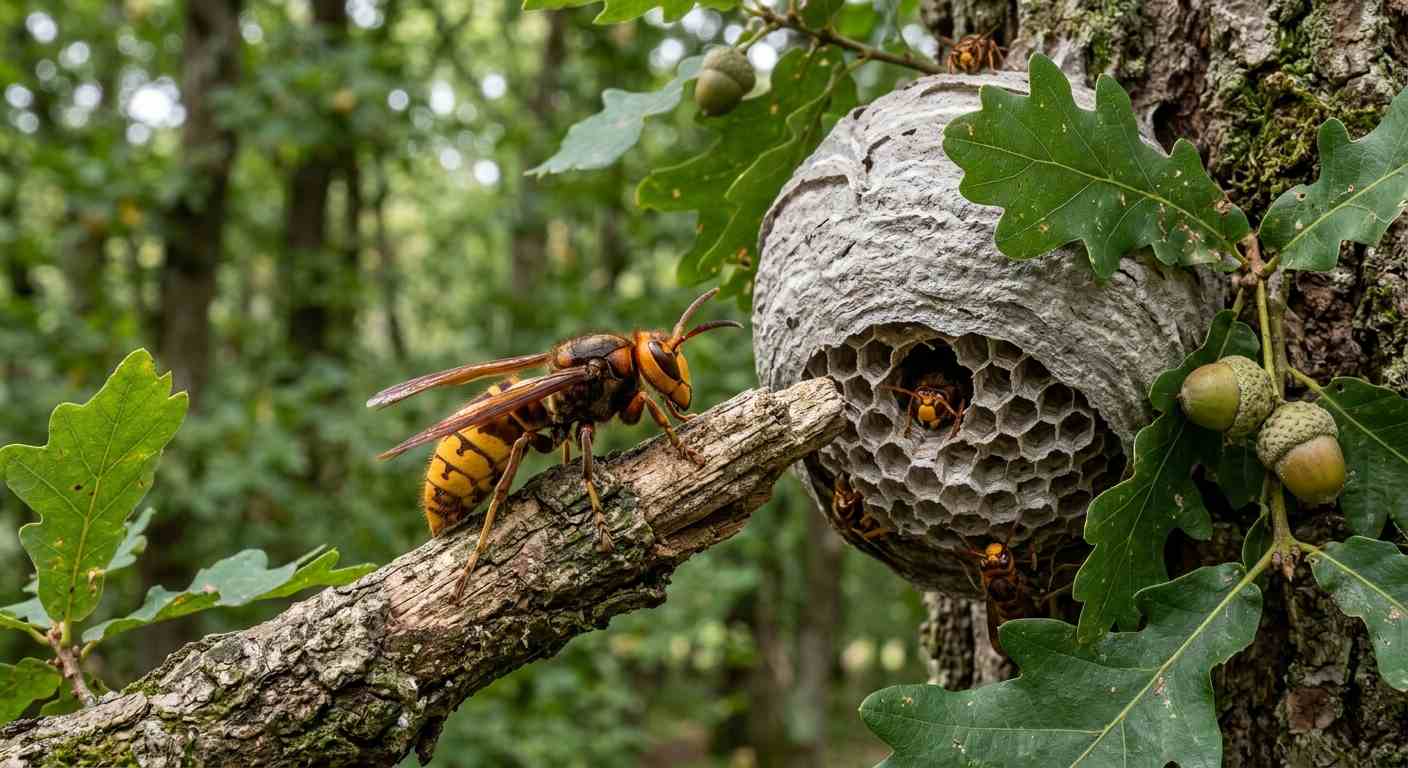
Wasp and Hornet Stings: Symptoms, Treatment & Safe Removal
Wasp and hornet stings are common outdoor hazards that can cause severe pain, swelling, and allergic reactions. Encountering these stinging insects around your home, yard, or garden can be an intimidating experience. Understanding how to identify these dangerous pests, recognizing the warning signs of a severe allergic reaction, and applying proper first aid can keep you and your family safe.
Understanding These Stinging Insects
While often confused with one another, wasps and hornets have distinct physical traits and behaviors:
Wasps: Possess slender bodies with narrow waists, smooth exoskeletons, and distinct yellow, black, or brown stripes. They build papery nests under roof eaves, inside wall voids, or on tree branches.
Hornets: A larger and significantly more aggressive sub-type of wasps, usually exhibiting reddish-brown or dark coloration with light yellow markings.
Multiple Stings: Unlike honeybees, which lose their stingers and die after stinging once, both insects retain their stingers. This enables them to attack multiple times in a single rapid sequence, injecting more venom with each sting.
Symptoms of Wasp and Hornet Stings
The severity of symptoms following an encounter varies depending on an individual’s immune response and sensitivity to insect venom.
Mild to Moderate Local Reactions: Instant burning pain, sharp localized redness, minor swelling, and intense itching at the site.
Severe Reactions (Anaphylaxis): Difficulty breathing, wheezing, swelling of the throat or face, dizziness, a rapid drop in blood pressure, and nausea. Seek emergency medical attention immediately if any of these life-threatening symptoms appear.
Essential First Aid Treatment
If you experience unexpected stings, follow these step-by-step first-aid tips:
Move to Safety: Leave the area immediately to avoid attracting additional territorial insects.
Wash the Affected Area: Clean the site thoroughly with mild soap and clean water to prevent bacterial infection.
Apply a Cold Compress: Place an ice pack wrapped in a cloth over the area for 10–15 minutes to reduce swelling and numb the pain.
Avoid Scratching: Resist the urge to scratch, as open skin can lead to secondary bacterial skin infections.
Prevention and Safe Nest Removal
To prevent future encounters with wasp and hornet stings, avoid leaving sugary drinks or exposed food outdoors. Never attempt to knock down or disturb an active nest without proper protective gear. For large nests attached to your home or trees, always hire professional pest control specialists to safely eradicate the threat.

One thought on “Wasp and Hornet Stings: Symptoms, Treatment & Safe Removal”
Comments are closed.