Bed Bug Bites: Prevention, Symptoms & Fast Treatment
Waking up to itchy red marks is a clear sign that you might be dealing with bed bug bites. While waking up with mysterious bumps on your skin can be alarming, understanding how these nocturnal parasites operate makes it much easier to recover quickly and stop a full-blown infestation.
Why Bed Bug Bites Do Not Hurt Initially
The most baffling aspect of bed bug bites is that you rarely feel them while they happen. Bed bugs (Cimex lectularius) are expert nocturnal feeders that rely on host blood to survive.
When a bed bug pierces your skin, it injects specialized saliva containing a complex mixture of biochemical compounds:
Natural Anesthetics: These proteins temporarily numb your skin’s nerve endings, blocking pain signals instantly.
Anticoagulants (Nitrophorin): These chemicals prevent blood from clotting and widen blood vessels, allowing the insect to feed uninterrupted for 5 to 10 minutes.
Common Symptoms of Bed Bug Bites
While the initial attack is painless, your immune system reacts to the foreign salivary proteins once the numbing agent wears off. Over the next few hours or days, your body releases histamines, leading to noticeable skin reactions.
Primary symptoms include:
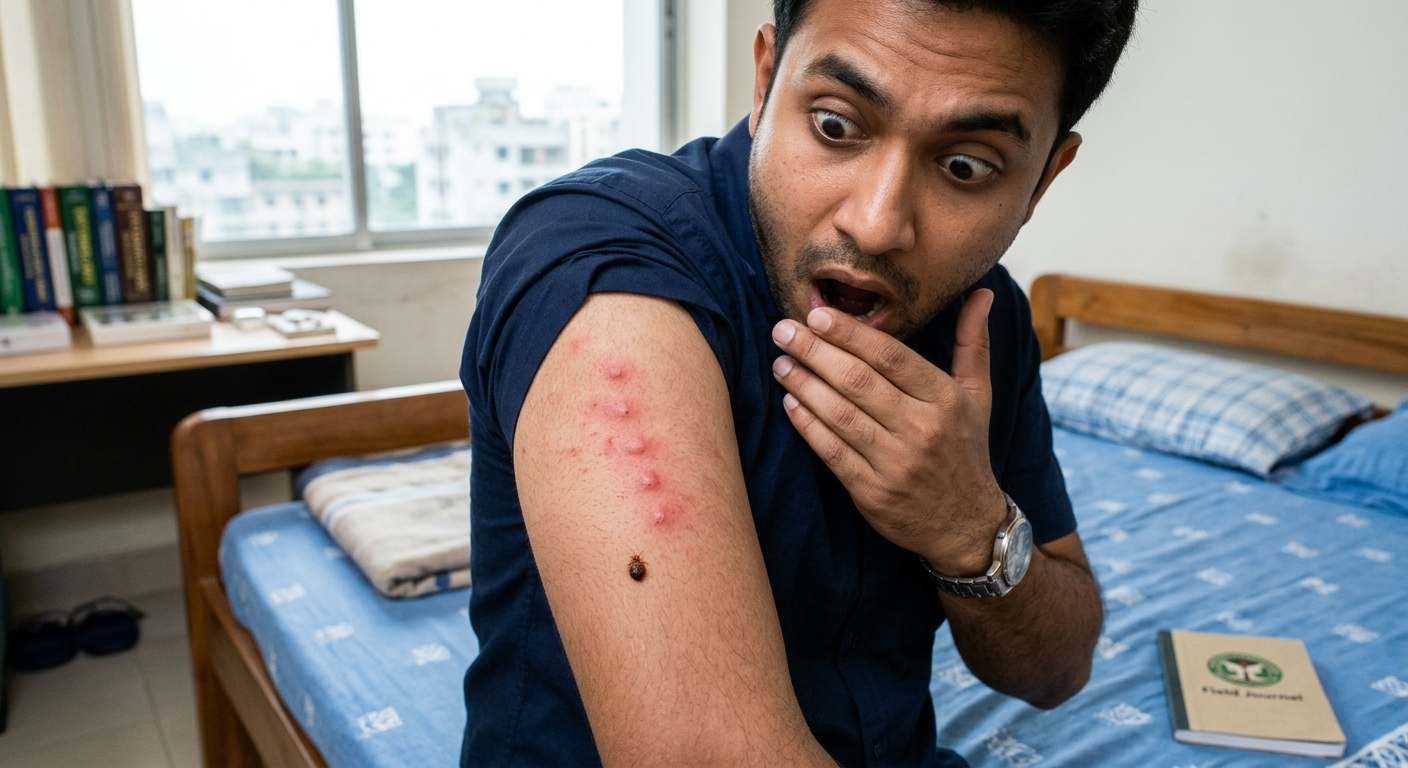
“Breakfast, Lunch, and Dinner” Pattern: Bumps often appear in straight lines or tight clusters of three or four.
Targeted Areas: Swelling usually occurs on exposed areas such as arms, shoulders, neck, and legs.
Intense Itching: The bite sites become red, raised, and extremely itchy.
Fast Treatments for Bed Bug Bites
Treating the physical irritation quickly helps prevent skin damage and secondary bacterial infections. Here are the most effective steps to relieve discomfort from bed bug bites:
Wash with Soap and Water: Clean the affected area immediately with mild soap and warm water to remove residual saliva and bacteria.
Apply Cold Compresses: Hold an ice pack wrapped in a towel against the swollen skin for 10–15 minutes to reduce inflammation and numb the itch.
Use Topical Anti-Itch Creams: Apply 1% hydrocortisone cream, calamine lotion, or aloe vera gel directly to soothe burning sensations.
Take Antihistamines: Over-the-counter oral antihistamines (such as cetirizine) help suppress your body’s allergic response.
Avoid Scratching: Scratching breaks the skin barrier and increases the risk of bacterial skin infections like cellulitis.
How to Eliminate Bed Bugs from Your Home
Treating your skin only provides temporary relief if pests remain in your living environment. To stop future bed bug bites, follow this step-by-step pest control plan:
High-Heat Washing: Wash all bedding, curtains, and clothing in hot water (at least or ) and dry them on high heat for 30 minutes.
Deep Vacuuming: Thoroughly vacuum mattress seams, bed frames, furniture joints, and baseboards. Immediately seal and discard the vacuum bag outdoors.
Encase Mattresses: Install zippered, bed-bug-proof encasements over your mattress and box spring to trap remaining insects.
Seek Professional Pest Control: If the infestation spreads, hire licensed pest management specialists for heat or chemical treatments.
Dealing with bed bug bites is frustrating, but acting quickly minimizes both skin irritation and household damage. By combining immediate topical treatments with thorough home cleaning, you can restore comfort to your bedroom and enjoy peaceful, bite-free sleep.