
Bullet Ant Paraponera clavata: Facts, Sting & Pain Level
Bullet Ant Paraponera clavata: Facts, Venom & Pain Level
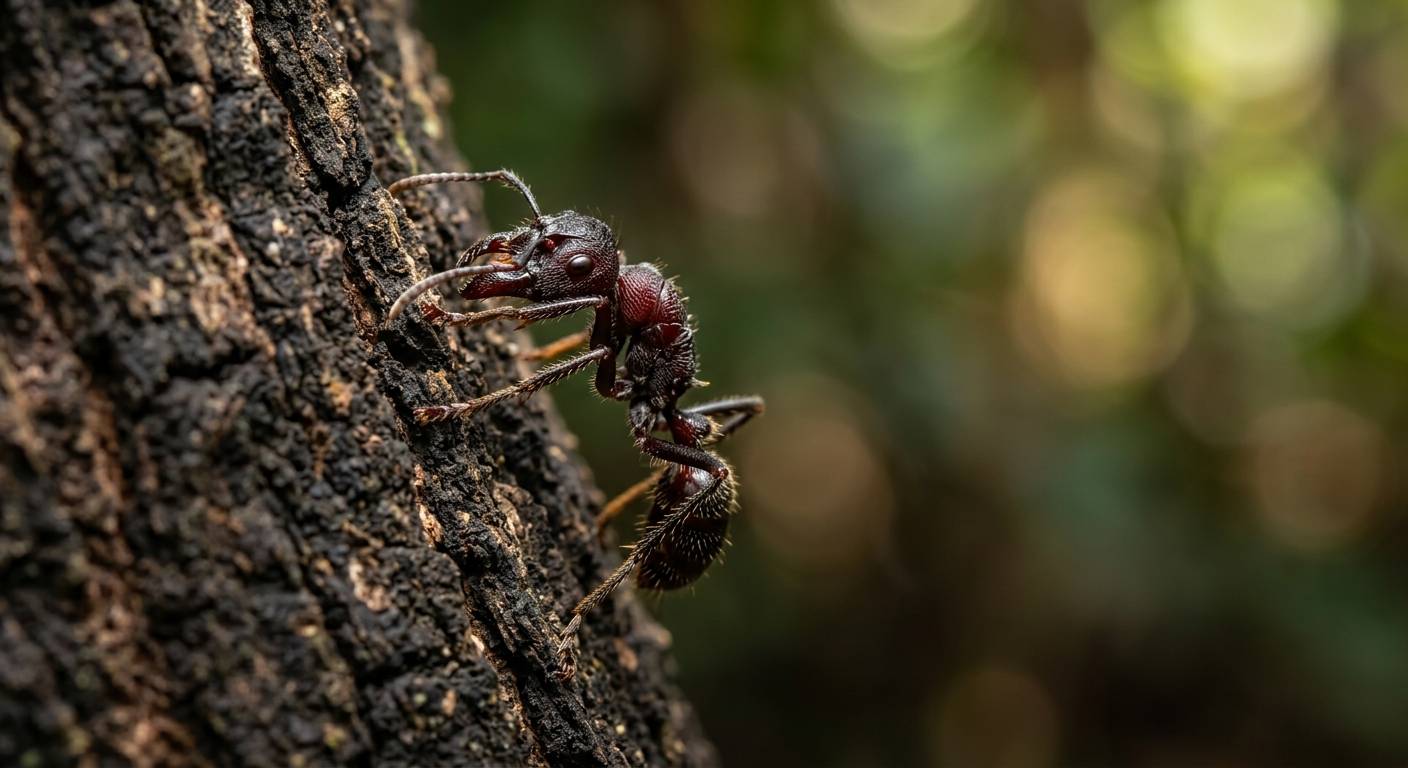
The Bullet Ant Paraponera clavata is one of the most terrifying insects on Earth. Moreover, this large predator delivers the most painful insect sting known to science. In this article, we explore the extreme nature of this venomous species. Furthermore, we will examine its venom chemistry, habitat, and cultural role.
What Makes This Insect Unique?
These creatures earned their common name due to an excruciating sting. Victims often compare the pain to a gunshot wound. In addition, locals in South America call it “Hormiga Veinticuatro” or the 24-Hour Ant. Consequently, victims suffer intense, throbbing agony for a full day without relief.
Venom Chemistry and Pain Scale
The severe pain comes from a unique neurotoxic peptide called poneratoxin.
Neurotoxic Effects: Poneratoxin blocks voltage-gated sodium channels in your nerves. As a result, it causes continuous muscle spasms, high heart rates, and burning sensations.
Schmidt Sting Pain Index: Entomologist Justin O. Schmidt gave the Bullet Ant Paraponera clavata a 4.0+ rating. Therefore, it holds the highest position on his pain scale. Specifically, he described the pain as walking over burning charcoal with a rusty nail in your heel.
Habitat and Nesting Habits
Geographic Range: These ants live in humid lowland rainforests. For example, you can find them in the Amazon Basin, Nicaragua, Honduras, and Brazil.
Colony Structure: In contrast to other ant species, they do not build massive mounds. Instead, they construct underground nests at the base of trees for 1,000 to 3,000 workers.
Dietary Needs: They hunt actively for food. For instance, they eat sweet plant nectar, small insects, and small frogs.
The Sateré-Mawé Tribal Ritual
Interestingly, this species plays a legendary role in Amazonian tribal tradition. The Sateré-Mawé tribe uses these insects in a famous rite of passage.
First, tribesmen weave hundreds of live ants into leaf gloves with stingers pointing inward.
Next, young boys must wear these gloves for 10 to 20 minutes continuously.
Finally, a young man must endure this trial 20 times to become a recognized warrior.
Ecological Significance
Ultimately, the Bullet Ant Paraponera clavata plays a vital role in forest ecosystems. For example, they control smaller insect populations and keep rainforests balanced. Therefore, humans must respect their territory to remain safe.

2 thoughts on “Bullet Ant Paraponera clavata: Facts, Sting & Pain Level”
Comments are closed.