
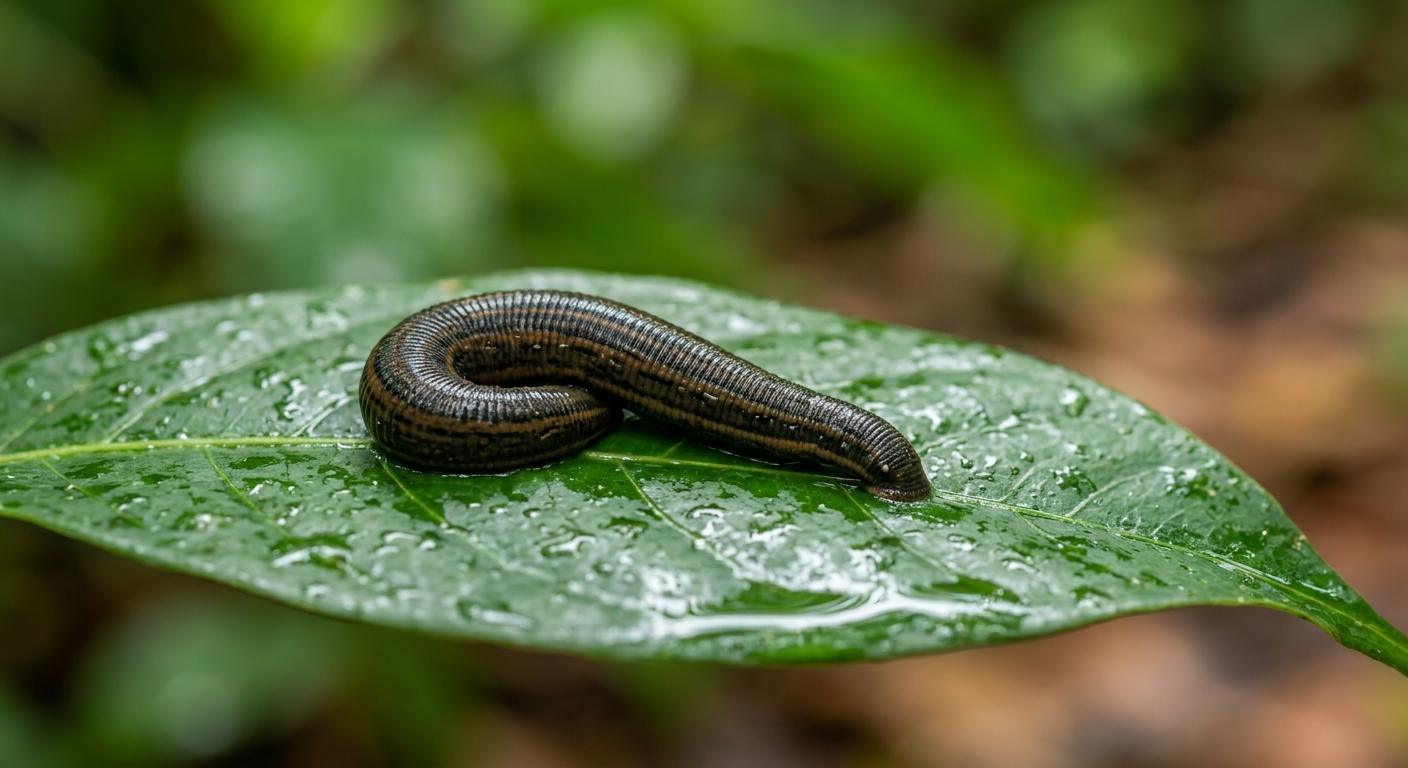
Asian Leech in Tap Water & Wet Grass: Truth, Risks & Treatment
The “Poisonous” Leech Hiding in Tap Water & Wet Grass: Asian Leech Facts, Risks & Treatment
Have you ever heard stories about a poisonous leech hiding in tap water or wet grass? Reports and viral videos often warn travelers and locals in Asia about dangerous Asian leeches lurking in unexpected places like household water supplies or damp garden lawns.
While the term “poisonous leech” is technically a misconception, the health risks associated with Asian land and water leeches are very real. In this article, we’ll break down the science behind Asian leeches, how they end up in tap water or wet grass, the medical problems they cause, and the exact steps to treat and prevent leech bites.
Are Asian Leeches Actually Poisonous?
The short answer is no, leeches are not poisonous or venomous. They do not inject toxins into your bloodstream to cause organ damage or death like venomous snakes or spiders.
However, people often call them “poisonous” because of two distinct biological factors:
Anticoagulants (Hirudin): Leech saliva contains a powerful chemical called hirudin, which stops your blood from clotting while they feed. This causes prolonged bleeding even after the leech falls off.
Bacterial Infections: Leeches carry bacteria such as Aeromonas veronii in their digestive tract. When a leech bites or is improperly removed, these bacteria can enter the wound, causing severe skin infections, tissue necrosis, or allergic reactions that feel like “poisoning.”
How Leeches Get Into Wet Grass and Tap Water
Asian leeches generally fall into two categories based on their habitat: Land Leeches and Aquatic Leeches.
1. Land Leeches (Haemadipsa species) in Wet Grass
In humid tropical and subtropical regions across Asia, land leeches thrive in damp soil, wet lawns, and rainforest foliage.
How they strike: They wait on grass blades or leaves, sensing heat and carbon dioxide from humans or animals.
Painless bites: Their saliva contains a mild natural anesthetic, so you rarely feel them attaching to your legs, feet, or ankles.
2. Water Leeches (Dinobdella ferox) in Unfiltered Tap Water
In regions where tap water originates from mountain streams, open reservoirs, or untreated wells, tiny leech larvae or eggs can bypass basic filtration.
Internal Hirudiniasis: If you drink or wash your face with contaminated water, microscopic leeches can attach to the mucous membranes of your nasal passages, throat, or respiratory tract.
Symptoms: Persistent nosebleeds, foreign body sensation in the throat, coughing up blood, difficulty breathing, and severe anemia over time.
Medical Treatment & First Aid Solution (Step-by-Step)
If you find a leech on your body or suspect internal attachment from contaminated water, follow these medical guidelines:
External Leech Removal (Skin & Wet Grass Attacks)
Step 1: Do NOT pull it off forcefully. Pulling a feeding leech can tear your skin or cause its mouthparts to break off inside the wound, leading to severe infection.
Step 2: Use a flat object or fingernail. Slide a credit card or fingernail under the smaller front sucker (the mouth end) to break the seal, then push the leech away.
Step 3: Apply salt, alcohol, or vinegar (if necessary). If you cannot detach it manually, applying a tiny amount of salt, hand sanitizer, or vinegar will cause the leech to release its grip immediately.
Step 4: Clean and dress the wound. Wash thoroughly with soap and clean water. Apply an antiseptic cream and cover with a sterile bandage. Compress the wound to stop bleeding caused by the hirudin.
Internal Leech Exposure (Tap Water Ingestion)
If someone accidentally ingests a leech or suffers from nasal/throat attachment (Internal Hirudiniasis):
Do NOT attempt to pull it out with tweezers if it is inside the nose or throat, as it can cause airway obstruction or severe bleeding.
Gargle with strong saltwater: Salt solution causes the leech to detach from throat tissues.
Seek Immediate Medical Attention: An ENT specialist (Ear, Nose, and Throat doctor) will use specialized instruments or localized saline irrigation to safely remove the parasite under direct visual control.
Prevention: How to Stay Safe from Asian Leeches
Filter and Boil Drinking Water: Always boil or use a certified micro-filtration system for drinking and cooking water when traveling or living in rural areas.
Wear Protected Clothing in Wet Grass: Wear high boots, tuck your pants into your socks, and apply DEET-based insect repellents or tobacco-water sprays to your shoes and trousers.
Inspect Water Outlets: Clean tap aerators and home storage tanks regularly to prevent organic debris from harboring leech larvae.

One thought on “Asian Leech in Tap Water & Wet Grass: Truth, Risks & Treatment”
Comments are closed.