
Tick and Lyme Disease: Symptoms, Treatment, and Prevention
Tick and Lyme Disease: Symptoms, Treatment, and Prevention
When exploring the outdoors—whether hiking through dense woods, strolling through lush parks, or walking across untrimmed lawns—nature offers peace and tranquility. However, lurking beneath the foliage lies an invisible parasite that poses a severe threat to human health regarding tick and Lyme disease.
Despite their tiny appearance, ticks carry hidden bacterial infections capable of causing long-term complications. Understanding how these parasites operate, recognizing early symptoms, and knowing the proper medical response is essential for staying safe.
How Ticks Spread Tick and Lyme Disease Risks
Ticks rely on a patience-based hunting tactic called “questing.” A parasite clings to the tips of tall grass or shrubs with its hind legs while extending its front legs, waiting for a human or animal to brush past.
The Attachment Process of Tick Transmission:
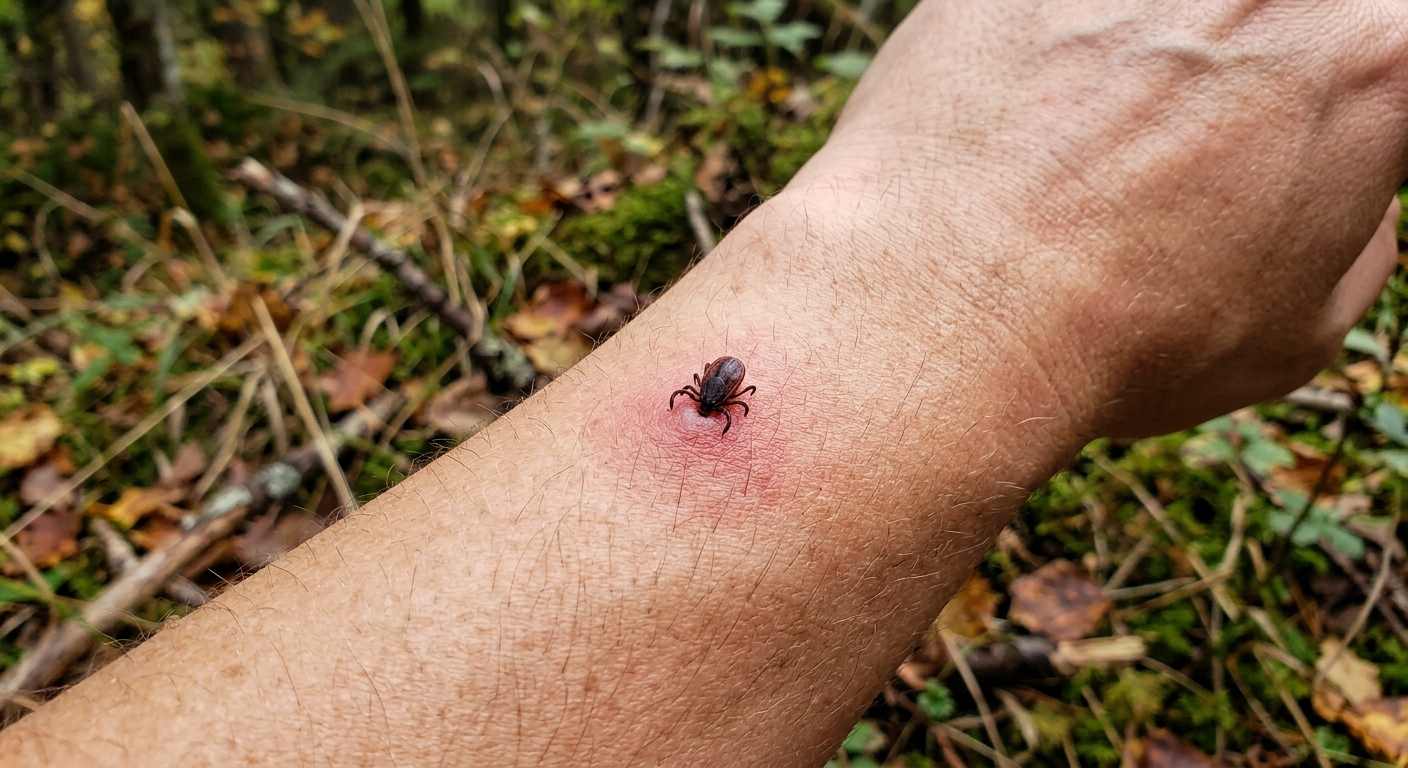
Painless Attachment: When a tick transfers to your skin, its bite is painless because its saliva contains natural numbing agents.
Burrowing Deep: Once attached, the parasite inserts its mouthparts into the skin to access small blood vessels.
Extended Feeding: Ticks can remain attached, gorging on blood continuously for 3 to 10 days, expanding significantly in size.
What Is the Direct Link Between a Tick and Lyme Disease?
The primary danger of a tick bite is the infection transmitted during feeding. The connection between a tick and Lyme disease comes from blacklegged ticks carrying the bacterium Borrelia burgdorferi.
When an infected insect remains attached for 24 to 36 hours or longer, it transmits these bacteria directly into your bloodstream.
Recognizing Symptoms of Tick and Lyme Disease Infection
Lyme disease is known as “The Great Imitator” because its symptoms mimic flu, arthritis, or chronic fatigue.
Stage 1 Symptoms of Tick and Lyme Disease:
The “Bull’s-Eye” Rash: A classic sign of infection is an expanding circular red rash (Erythema migrans) centered around the bite site.
Flu-like Symptoms: Chills, fever, body aches, severe fatigue, and headaches.
Stage 2 Symptoms of Disseminated Lyme Disease:
If untreated, the bacteria spread through the body, leading to:
Facial paralysis (Bell’s palsy)
Severe joint stiffness and swelling
Heart palpitations (Lyme carditis)
Stage 3 Chronic Effects of Lyme Infection:
Long-term exposure to untreated bacterial infections can lead to:
Chronic, severe joint damage and arthritis
Neurological issues, including memory loss and brain fog
Persistent physical weakness
Effective Medical Treatment for Tick and Lyme Disease
Early medical intervention is critical for resolving infections quickly and preventing long-term complications.
1. Oral Antibiotic Therapy for Tick Bite Infections
When diagnosed early, the infection is highly treatable with a short course of oral antibiotics. Doctors commonly prescribe:
Doxycycline: The most common first-line treatment for adults and older children.
Amoxicillin or Cefuroxime: Preferred options for younger children, pregnant individuals, or those with specific allergies.
Duration: Treatment typically lasts 10 to 14 days, though full recovery depends on starting early.
2. Intravenous Antibiotics for Advanced Lyme Disease Cases
If the infection reaches the central nervous system or heart (Stage 2 or 3), intravenous antibiotics like Ceftriaxone may be prescribed for 14 to 28 days to clear deep-seated bacteria.
Key Prevention Tips for Tick and Lyme Disease Protection
To protect yourself during outdoor activities:
Dress Smart: Wear light-colored, long-sleeved clothing with pants tucked into socks.
Use Repellents: Apply EPA-registered repellents containing DEET or Picaridin to skin and treat clothing with Permethrin.
Perform Body Checks: Inspect hair, skin, and pets thoroughly after outdoor trips.
Safe Removal: Use fine-tipped tweezers to grasp the tick close to the skin and pull straight up without twisting.
Final Thoughts
A tick bite may seem minor, but the potential complications of tick and Lyme disease require prompt action. If you notice a rash or flu-like symptoms after visiting wooded areas, consult a doctor immediately to start appropriate antibiotic treatment.


One thought on “Tick and Lyme Disease: Symptoms, Treatment, and Prevention”
Comments are closed.